
SERVICES
Termite Inspections
Termite inspections for Brisbane homes to identify termite activity, damage, entry points and conditions that may increase risk.
GET A FREE QUOTE
100% local
6+ years experience
INSURED
Fully Licensed
What Are Termite Inspections?
A termite inspection involves investigating accessible areas of a property for active termites, evidence of previous activity, termite damage and conditions that could make termite entry easier. The inspection can cover internal timber, skirting boards, architraves, roof spaces, subfloors, foundations and accessible areas around the building. Signs such as mud tubes, damaged timber, moisture and concealed entry points can help identify areas requiring closer attention. An inspection can also consider an existing termite management system and whether visible inspection zones remain accessible. Queensland properties face an ongoing termite risk, particularly because termites favour moisture and can enter buildings through concealed routes. Regular inspections matter because a property that showed no termite activity previously can develop a problem later. An inspection gives homeowners a clearer picture of current conditions and helps identify activity before termites have more time to damage structural or decorative timber.
Why Choose Bug Busters Brisbane for Termite Inspections
Termite Experience Since 2020
Kyle has worked with termite barriers and termite control since 2020, providing practical experience with termite behaviour and the ways termites can approach buildings. That background is relevant during inspections because signs of activity are not always obvious. Understanding termite movement, entry points and affected building areas helps guide where to look more closely when checking a property.
Building and Pest Inspection Background
Kyle developed his experience through his father's building and pest inspections business before branching out with Bug Busters Brisbane. That background provides useful exposure to how termite activity relates to building construction, timber and property conditions. During a termite inspection, this helps keep attention on the areas where evidence of activity, damage or concealed entry may be found.
Knowledge Built Through Industry Experience
Alongside his family background in building and pest inspections, Kyle has learned from other specialists in the pest control industry over many years. This practical knowledge is useful when assessing signs that may indicate termite activity. Termites can remain concealed, so recognising mud tubes, damaged timber and conditions that favour their movement requires careful attention throughout the inspection.
Personally Managed Inspections
Bug Busters Brisbane is personally run, allowing Kyle to give termite inspections direct attention from start to finish. A termite inspection requires methodical checking rather than simply looking at obvious areas. The focus remains on inspecting accessible parts of the property carefully and identifying evidence that may indicate current activity, previous damage or conditions that could contribute to termite entry.
What Termite Inspections Covers
A termite inspection checks accessible internal and external areas for active termites, evidence of previous activity, timber damage and potential entry routes. This can include skirting boards, architraves, doors, window frames, roof timbers, subfloor areas, foundations, piers, stumps and the building perimeter where accessible. Existing termite management systems and visible inspection zones may also form part of the investigation. Queensland guidance identifies mud tunnels, hollow timber, blistered paint and distorted wall linings as signs that can indicate termite activity.
Signs You Need Termite Inspections
Visible mud tubes around foundations, walls or timber are strong reasons to arrange a termite inspection. Other warning signs include timber that sounds hollow when tapped, damaged skirting boards or architraves, sagging floors, cracked or blistered paint and discarded termite wings near windows or light fittings. Moisture around leaking taps, drainage areas or damp sections of the property can also create favourable termite conditions. Even without visible signs, regular inspection remains important because termites can travel through concealed areas before homeowners notice obvious damage.
DISCOVER WHAT OUR CUSTOMERS HAVE TO SAY ABOUT US
REVIEWS
our process
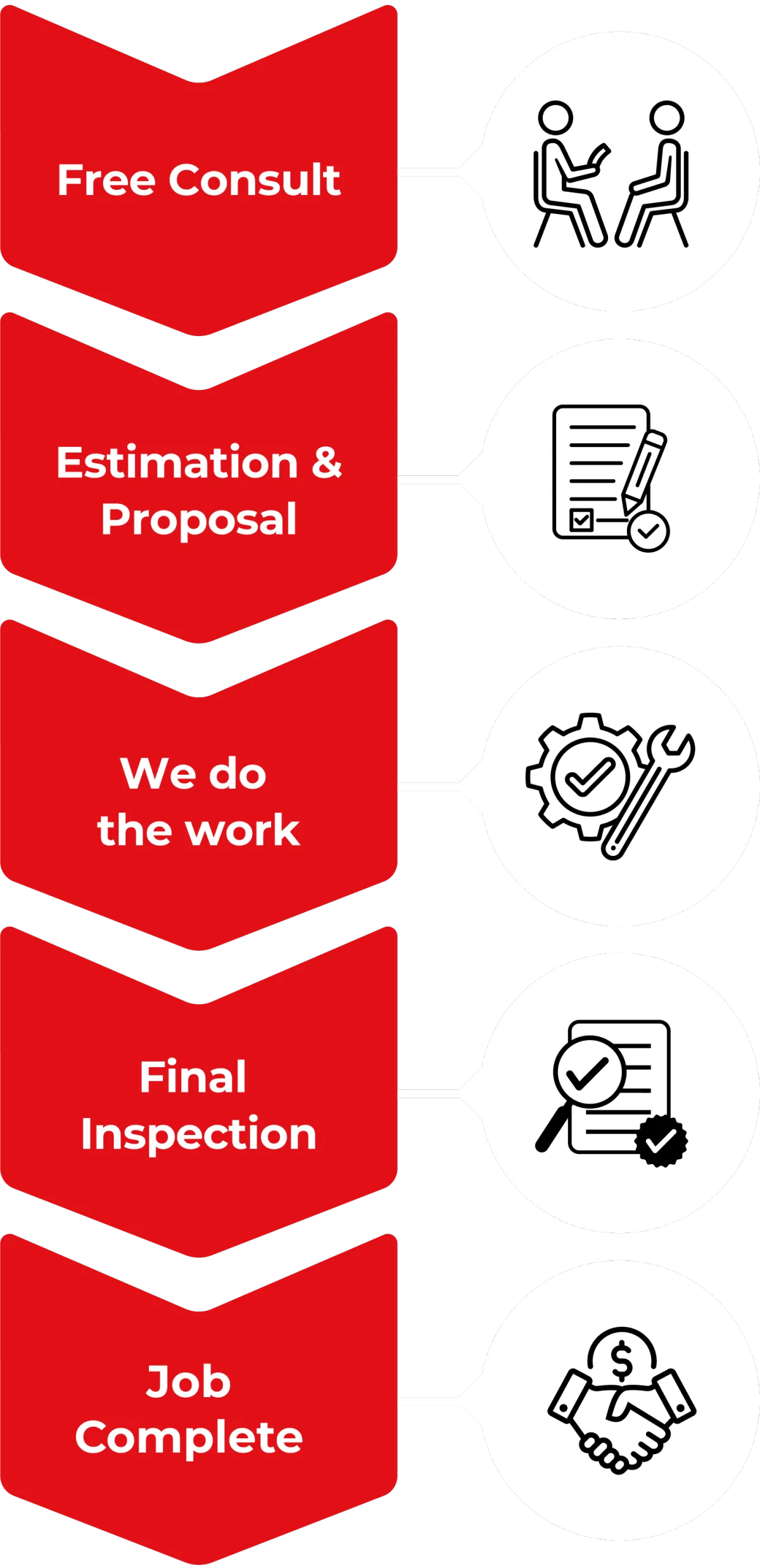
A simple process from first call to finished job.

SERVICE AREAS
proudly serving Wakerley

frequently asked questions
Find clear answers to the questions we’re asked most often.
How does the repair process work?
Once you contact Appliance Repair Solutions, a technician will discuss the issue with you and arrange a suitable inspection time. The problem is diagnosed on site, and clear advice is provided before any repair work begins. The goal is to complete repairs efficiently while keeping communication straightforward throughout the process.
How quickly can I book a technician?
Service availability depends on your location and the type of appliance issue. In many cases, same day or next day bookings may be available across Sydney. The team aims to respond promptly and provide flexible scheduling where possible.
Do you provide quotes before starting repairs?
Yes. After assessing the appliance and identifying the fault, you will receive clear information about the recommended repair and expected costs. This helps customers make informed decisions before approving any work.
What should I do before the technician arrives?
It helps to clear access around the appliance and make note of any error codes or unusual behaviour. If possible, have the appliance model number available as this can assist with diagnosing the issue faster. The technician will guide you through anything else needed when confirming the booking.
What should I do before the technician arrives?
It helps to clear access around the appliance and make note of any error codes or unusual behaviour. If possible, have the appliance model number available as this can assist with diagnosing the issue faster. The technician will guide you through anything else needed when confirming the booking.
proudly serving Baulkham Hills
Homebush
Gladesville
Leichhardt
North Sydney
Mosman
Box Hill
Marsden park

Trusted & Accredited Plumbers


FREQUENTLY ASKED QUESTIONS
Your questions answered
What does a termite inspection look for?
A termite inspection looks for active termites, evidence of previous termite activity, timber damage and conditions that could contribute to termite entry. The inspector can also investigate an existing termite management system. Accessible internal, external, roof, subfloor and perimeter areas may be examined depending on the property's construction.
What are the most common signs of termites?
Common signs include mud shelter tubes, hollow-sounding timber, damaged skirting boards or door frames, blistered paint, sagging floors and discarded termite wings. Some termite activity remains concealed, which means obvious signs may not appear until an infestation has already affected parts of the building.
How often should a home have a termite inspection?
Queensland building guidance stresses the need for regular property inspections because termites can circumvent termite management systems and create tunnels around barriers. The appropriate inspection frequency can depend on the property, termite management system and risk conditions, so homeowners should follow the inspection recommendations relevant to their building.
What should I do if I find termites before an inspection?
Avoid disturbing termites, nests, mud tubes or damaged areas before professional assessment. Disturbing active termites can cause them to move away from the visible location, making their activity more difficult to assess. Queensland guidance recommends seeking professional assistance when suspected termite activity is found.
READY TO take the next step?
get a free quote TODAY!
Bug Busters Brisbane
Fennessy Cl Wakerley
