
SERVICES
Termite Barriers
Chemical termite barriers help protect Brisbane homes by treating the soil around the building through trenching, drilling and chemical injection to reduce the risk of subterranean termite entry.
GET A FREE QUOTE
100% local
6+ years experience
INSURED
Fully Licensed
What Are Termite Barriers?
Chemical termite barriers form part of a termite management system designed to reduce the risk of subterranean termites entering a home. The treatment creates a chemically treated zone in the soil around the building. Installation can involve digging trenches beside the foundations, applying termiticide to the soil and drilling through concrete or paved areas to inject treatment into the soil beneath. The methods required depend on the property’s construction, surrounding surfaces and access to the soil. Bug Busters Brisbane focuses on chemical termite barriers around homes, with the treatment approach assessed for each property. A chemical barrier does not eliminate termites from the surrounding property or make a building termite-proof. Regular inspections remain necessary because termites may find alternative entry routes, and landscaping or building work can disturb treated soil.
Why Choose Bug Busters Brisbane for Termite Barriers
Termite Barrier Experience Since 2020
Kyle has worked with termite barriers and termite control since 2020, giving Bug Busters Brisbane practical experience in chemical termite management. This work requires an understanding of how termites approach homes and where soil treatment is needed. His experience supports the assessment of foundations, building perimeters and areas where trenching, drilling or chemical injection may be required.
Building Knowledge Behind the Work
Kyle developed his experience through his father’s building and pest inspections business, gaining exposure to termite activity and building conditions. This background is relevant to chemical barrier work because the foundations, surrounding soil and adjoining hard surfaces affect treatment access. Understanding these features helps him assess how chemical treatment can be applied around the home.
Experience Learned From Specialists
Alongside his family background, Kyle has learned from other specialists within the pest control industry over many years. This experience has helped build practical knowledge of termite behaviour, chemical treatment methods and conditions that contribute to termite problems. That knowledge supports a careful approach to assessing the property and identifying areas requiring chemical soil treatment.
Personally Managed Termite Work
Bug Busters Brisbane is personally run, so Kyle gives chemical termite barrier work direct attention. Treatment requirements vary according to the home’s layout, soil access and existing surfaces around the perimeter. This personally managed approach allows him to explain where trenching or drilling is needed and how the chemical treatment will be applied before work begins.
What Termite Barriers Covers
Our termite barrier service covers chemical soil treatments around homes. Work can include trenching beside the foundations to access and treat the soil, drilling through concrete or paved surfaces where necessary, and injecting termiticide into the soil beneath. Trenched areas are treated and backfilled, and drilled access holes are sealed after treatment. The areas requiring treatment and the methods used depend on the home’s construction, surrounding surfaces and access around the perimeter. Kyle assesses these conditions to determine the appropriate scope of work. Regular termite inspections remain part of ongoing protection after the chemical barrier is installed.
Signs You Need Termite Barriers
A chemical termite barrier may require attention if your home has no documented soil treatment, the previous treatment is due for review, or work around the property has disturbed treated areas. Excavation, new garden beds, patios, landscaping and changes to soil levels can interrupt an existing chemical barrier. Previous termite activity or concerns identified during an inspection are also reasons to have the property assessed. Moisture near the foundations and timber contacting the ground can create conditions that need attention alongside chemical protection. If you are planning changes around your home, an assessment can help identify whether the existing treated zone may be affected.
DISCOVER WHAT OUR CUSTOMERS HAVE TO SAY ABOUT US
REVIEWS
our process
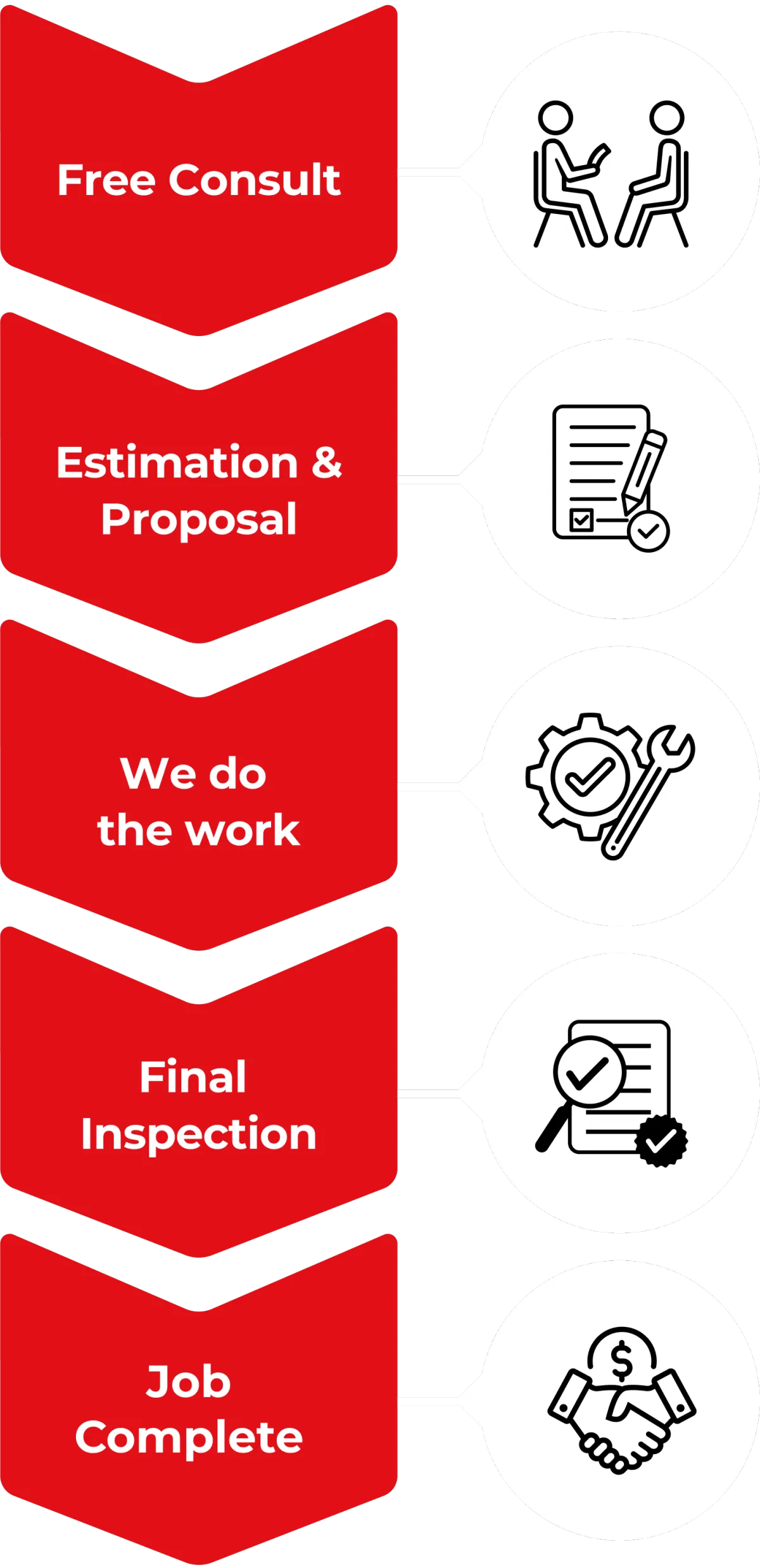
A simple process from first call to finished job.

SERVICE AREAS
proudly serving Wakerley

frequently asked questions
Find clear answers to the questions we’re asked most often.
How does the repair process work?
Once you contact Appliance Repair Solutions, a technician will discuss the issue with you and arrange a suitable inspection time. The problem is diagnosed on site, and clear advice is provided before any repair work begins. The goal is to complete repairs efficiently while keeping communication straightforward throughout the process.
How quickly can I book a technician?
Service availability depends on your location and the type of appliance issue. In many cases, same day or next day bookings may be available across Sydney. The team aims to respond promptly and provide flexible scheduling where possible.
Do you provide quotes before starting repairs?
Yes. After assessing the appliance and identifying the fault, you will receive clear information about the recommended repair and expected costs. This helps customers make informed decisions before approving any work.
What should I do before the technician arrives?
It helps to clear access around the appliance and make note of any error codes or unusual behaviour. If possible, have the appliance model number available as this can assist with diagnosing the issue faster. The technician will guide you through anything else needed when confirming the booking.
proudly serving Baulkham Hills
Homebush
Gladesville
Leichhardt
North Sydney
Mosman
Box Hill
Marsden park

Trusted & Accredited Plumbers

FREQUENTLY ASKED QUESTIONS
Your questions answered
Do termite barriers completely stop termites?
No. A chemical termite barrier helps reduce the risk of subterranean termites entering through treated soil, but it does not make a home termite-proof or eliminate termites elsewhere on the property. Termites may find alternative entry routes, which is why regular inspections remain an important part of ongoing termite management.
How is a chemical termite barrier installed?
Installation involves applying termiticide to the soil around the home. Accessible soil areas may be trenched and treated, while concrete or paved surfaces may need drilling so chemical can be injected into the soil beneath. The methods used depend on the property’s construction and access. Trenches are backfilled and drilled access holes are sealed after treatment.
Do I still need termite inspections after installing a barrier?
Yes. Chemical termite barriers form part of ongoing termite management and do not remove the need for inspections. Regular inspections help identify termite activity, potential entry routes and changes around the home that may affect the treated soil. Kyle can explain the inspection and maintenance requirements relevant to your treatment.
Can renovations affect an existing termite barrier?
Yes. Excavation, landscaping, new patios, garden beds and other work around the foundations can remove or disturb chemically treated soil. This can leave gaps in the treated zone. Before making changes around your home, have the affected areas assessed to determine whether chemical retreatment may be needed.
READY TO take the next step?
get a free quote TODAY!
Bug Busters Brisbane Pest Control
Fennessy Cl Wakerley
