
BLOG
Understanding Pest Control Responsibilities for Queensland Landlords, Property Managers and Tenants
Responsibility for pest control in a Queensland rental depends on the cause, the condition of the premises and the tenancy agreement. There is no rule that makes every infestation automatically the tenant's responsibility or the property owner's responsibility.
Queensland minimum housing standards require rental premises to remain free from vermin, damp and mould. The property manager or owner must meet this standard when the tenant moves in and throughout the tenancy. An exception applies when the tenant's actions cause the problem. Clear records and prompt reporting help determine which situation applies.
The Starting Condition of the Property Matters
The entry condition report records the premises at the beginning of the tenancy. Photographs can provide evidence of droppings, damaged screens, gaps, waste areas or earlier pest activity. Both parties should review the report rather than relying on memory later.
If cockroaches, rodents or other vermin are already present when the tenant moves in, the issue generally relates to property condition rather than tenant conduct. The tenant must return the property in substantially the same condition as it was at the start, excluding fair wear and tear. A requirement cannot make the tenant leave it in a better condition than the original standard.
Responsibility Depends on What Caused the Infestation
Building defects and maintenance problems usually point towards owner responsibility. Examples include rodents entering through unrepaired structural gaps, cockroaches linked to persistent plumbing leaks or termite activity affecting the building. The owner may need to address both the pest problem and the underlying repair.
Tenant actions can shift responsibility. Food scraps left to accumulate, overflowing waste, exposed pet food or poor cleaning that directly results in mice, ants or cockroaches may make the tenant responsible. Evidence should connect the conduct to the infestation rather than relying on assumptions about housekeeping.
Some cases involve several factors. Ants may enter after heavy rain but remain because food is accessible. Cockroaches may use a building gap and then find water beneath a leaking appliance. The parties should identify the entry route, harbourage and food or moisture source before deciding who must act.
Tenants Should Report Pest Activity Promptly
A tenant who becomes aware of vermin should notify the property manager or owner as soon as possible. Written notice records when the activity began, where it appeared and what signs were observed. Useful details include photographs, droppings, gnawing, insect numbers and whether the problem followed rain or a plumbing fault.
Delaying a report can allow activity to spread and make the original cause harder to establish. Property managers should check whether maintenance, common property or neighbouring premises may contribute. In a townhouse or apartment complex, the body corporate may need involvement if pests are moving through shared services, bin areas, walls or gardens.
Special Terms Cannot Override General Obligations
Tenancy agreements sometimes include conditions about carpet cleaning or pest control at the end of a tenancy. These conditions must operate within Queensland tenancy law. A property manager or owner cannot require a tenant to use a particular pest control company, pay a fixed pest control fee or use a nominated product.
A tenant cannot be required to obtain professional pest control merely because the tenancy is ending if that would return the property in a better condition than it had at the beginning. Different considerations may apply where reasonable pest control conditions formed part of written approval to keep a pet.
The entry report, invoices for earlier treatment and written pet conditions help show the standard that applied at the start.
Termites Require Building-Focused Attention
Termites differ from common household pests because they can affect structural timber while remaining concealed. A tenant who notices mud leads, hollow timber, blistered surfaces or discarded wings should report the signs promptly and avoid disturbing them.
Termite activity generally relates to property maintenance and building protection rather than ordinary tenant cleaning. The owner or property manager may need an inspection to determine whether the building has active termites, damage or an existing management system requiring attention. Where damage raises safety concerns, building advice may also be required.
Resolving Disagreement About Pest Control
The first step is to exchange information and identify the likely cause. Entry reports, dated photographs, maintenance requests, inspection findings and treatment records provide better evidence than general claims about who normally pays.
If either party believes the agreement has been breached, a Notice to remedy breach can be issued. The notice identifies the alleged breach and gives the receiving party a set period to address it. A person who disputes the notice should try to resolve the matter directly and keep written records.
The Residential Tenancies Authority provides dispute resolution when the parties cannot agree. Unresolved matters may proceed to the Queensland Civil and Administrative Tribunal. The correct path depends on the facts, tenancy type and action already taken.
Pest responsibility is assessed case by case. Property condition, tenant conduct, timely reporting and reliable evidence determine the outcome more accurately than a blanket rule applied to every infestation.
DISCOVER WHAT OUR CUSTOMERS HAVE TO SAY ABOUT US
REVIEWS
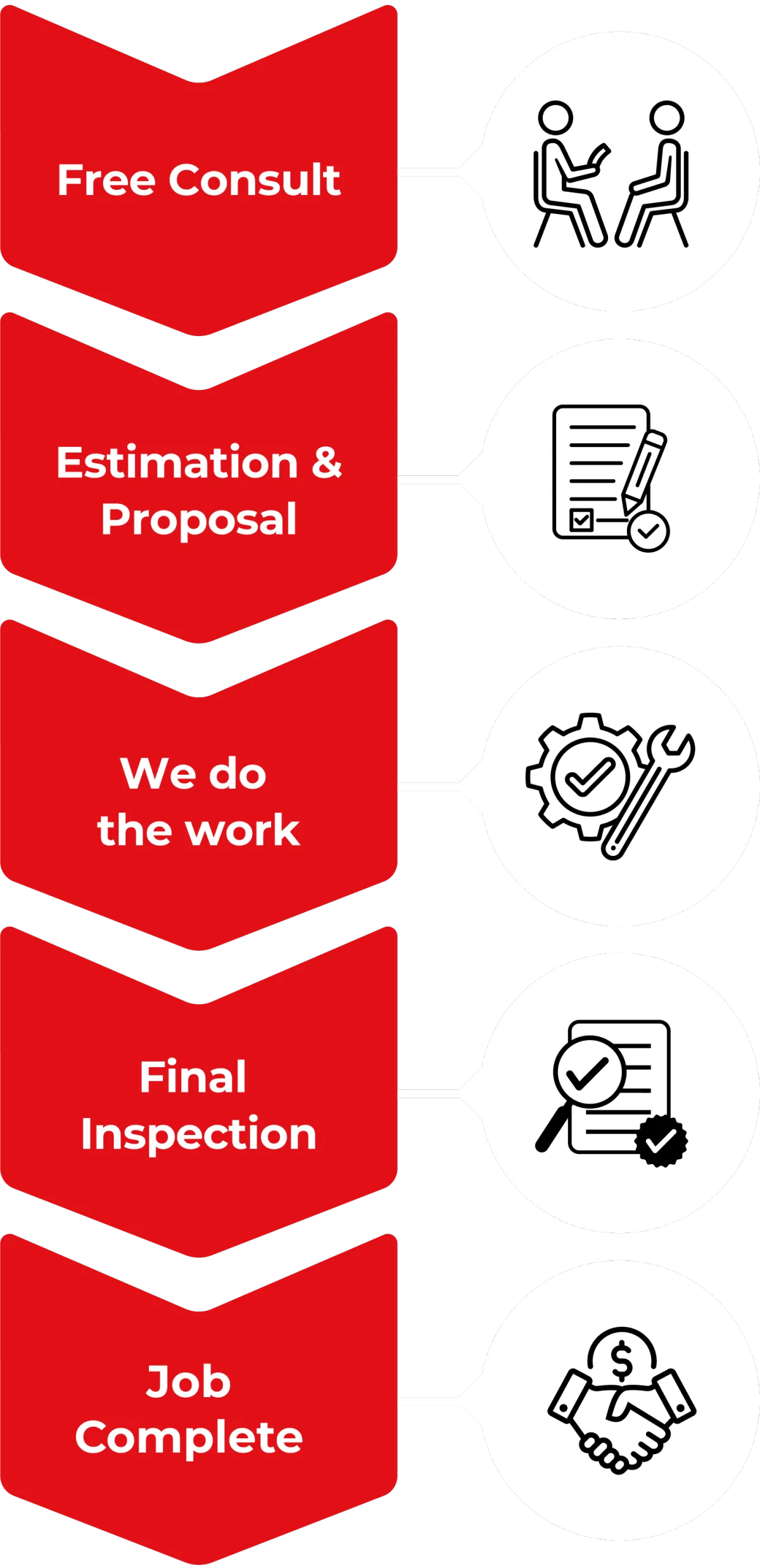
our process
Our process is simple and only contains a few simple steps

SERVICE AREAS
proudly serving Wakerley
Wakerley
Gumdale
Capalaba
Manly
Manly West
Wynnum
Wynnum West
Lota
Hemmant
Thorneside
Birkdale
Wellington Point
Cleveland

frequently asked questions
Find clear answers to the questions we’re asked most often.
How does the repair process work?
Once you contact Appliance Repair Solutions, a technician will discuss the issue with you and arrange a suitable inspection time. The problem is diagnosed on site, and clear advice is provided before any repair work begins. The goal is to complete repairs efficiently while keeping communication straightforward throughout the process.
How quickly can I book a technician?
Service availability depends on your location and the type of appliance issue. In many cases, same day or next day bookings may be available across Sydney. The team aims to respond promptly and provide flexible scheduling where possible.
Do you provide quotes before starting repairs?
Yes. After assessing the appliance and identifying the fault, you will receive clear information about the recommended repair and expected costs. This helps customers make informed decisions before approving any work.
What should I do before the technician arrives?
It helps to clear access around the appliance and make note of any error codes or unusual behaviour. If possible, have the appliance model number available as this can assist with diagnosing the issue faster. The technician will guide you through anything else needed when confirming the booking.
What should I do before the technician arrives?
It helps to clear access around the appliance and make note of any error codes or unusual behaviour. If possible, have the appliance model number available as this can assist with diagnosing the issue faster. The technician will guide you through anything else needed when confirming the booking.
proudly serving Baulkham Hills
Homebush
Gladesville
Leichhardt
North Sydney
Mosman
Box Hill
Marsden park

Trusted & Accredited Plumbers
READY TO take the next step?
get a free quote TODAY!
Bug Busters Brisbane
Fennessy Cl Wakerley
