
BLOG
Why Annual Termite Inspections Matter for Homes Across Brisbane’s Warm and Humid Suburbs
Annual termite inspections matter across Brisbane because termite activity can remain concealed while conditions around a home change. Warm weather, humid periods and summer rainfall can support subterranean termite movement, particularly where soil stays damp near buildings. An inspection does not predict whether termites will arrive. It provides a structured check for current activity, earlier damage and property conditions that may make detection more difficult.
Queensland building guidance recommends that homeowners arrange an inspection and written report every year, with more frequent checks in higher-hazard situations. The termite management notice, usually found in the electrical meter box, may specify a different schedule based on the system installed at the property.
Termite Damage Can Develop Without Obvious Surface Signs
Subterranean termites avoid open light and dry air. They often travel through soil, wall cavities, cracks, service penetrations or mud galleries concealed behind building finishes. Painted timber can appear intact even when termites have removed material beneath the surface.
Visible warning signs may not appear until activity has progressed. Mud leads across foundations, piers or masonry are significant, but termites can also enter where slab edges are hidden by garden beds, paving or stored belongings. Inside, blistered paint, rippled wall linings, hollow-sounding timber and sticking doors can justify closer investigation, although these signs may also have other causes.
An annual inspection provides a chance to find less obvious evidence before occupants notice a major change. It also records areas that could not be accessed, which helps the owner understand where uncertainty remains.
Brisbane Conditions Change Between Inspections
A property does not remain in the same condition from one year to the next. Heavy rain may expose drainage problems or keep a shaded side of the home damp. A leaking outdoor tap can wet soil near the foundations. Tree growth, leaf litter and dense planting can obscure wall edges that were previously visible.
Brisbane bayside suburbs add local variation. Raised timber homes around Wynnum, Manly and Lota may have enclosed or partly enclosed subfloors. Low-set brick properties in Wakerley and Manly West can have slab edges bordered by gardens, patios or paths. Redlands properties near creeks and low-lying areas may experience address-specific drainage or flooding conditions.
None of these features proves that termites are present. They change what can be inspected and where concealed access may occur. Regular reports make those changes easier to identify.
A Barrier Does Not Remove the Need for Inspections
Termite management systems are often misunderstood as permanent shields that make later inspections unnecessary. Physical and chemical systems have specific functions, limitations and maintenance requirements. Some systems protect selected building elements. Others force termite movement into visible areas or create treated zones around parts of the structure.
Homeowners should check the termite management notice for the installation method, date, expected life of chemical components and recommended service schedule. A chemical system may require replenishment. A physical system can be bridged when later work covers an inspection edge or creates concealed contact across the protected area.
Annual inspections help identify whether the system remains visible and whether property changes may have affected it. The inspection does not replace required system maintenance, and maintaining the system does not replace checking the building.
Renovations and Landscaping Can Alter Termite Access
Common home improvements can change termite risk without damaging the building itself. New paving may cover an exposed slab edge. A garden bed can raise soil or mulch against brickwork. Decks, pergolas and stairs can create new timber connections near the ground. Extensions may disturb treated soil or connect new construction to an older management system.
Even routine storage can affect inspection access. Firewood stacked against a wall, cardboard beneath a raised house or fixed cupboards in a garage can conceal surfaces that need examination. Before an annual visit, owners can improve access by moving stored items away from walls, unlocking rooms and clearing safe entry to roof or subfloor areas.
Where renovation work is planned, termite management should be considered before construction begins rather than after inspection zones have been covered.
Written Reports Build a Useful Property History
A single inspection records conditions on one day. A sequence of reports shows how the property changes over time. It can identify recurring moisture, inaccessible areas, movement in garden levels, deterioration in timber structures and earlier evidence that requires monitoring.
Keep inspection reports with the termite management notice, renovation documents and records of barrier servicing. If the property is sold, renovated or inspected after suspicious activity, this information helps establish what system was installed and what earlier inspections found.
Homeowners should still make simple checks between annual visits. Keep weep holes and slab edges clear, remove timber from soil contact, fix leaks and avoid disturbing suspected termite workings. If mud leads, damaged timber or winged termites appear, waiting for the next scheduled inspection is not appropriate. Annual inspections set a regular baseline, but new signs require attention when they appear.



DISCOVER WHAT OUR CUSTOMERS HAVE TO SAY ABOUT US
REVIEWS
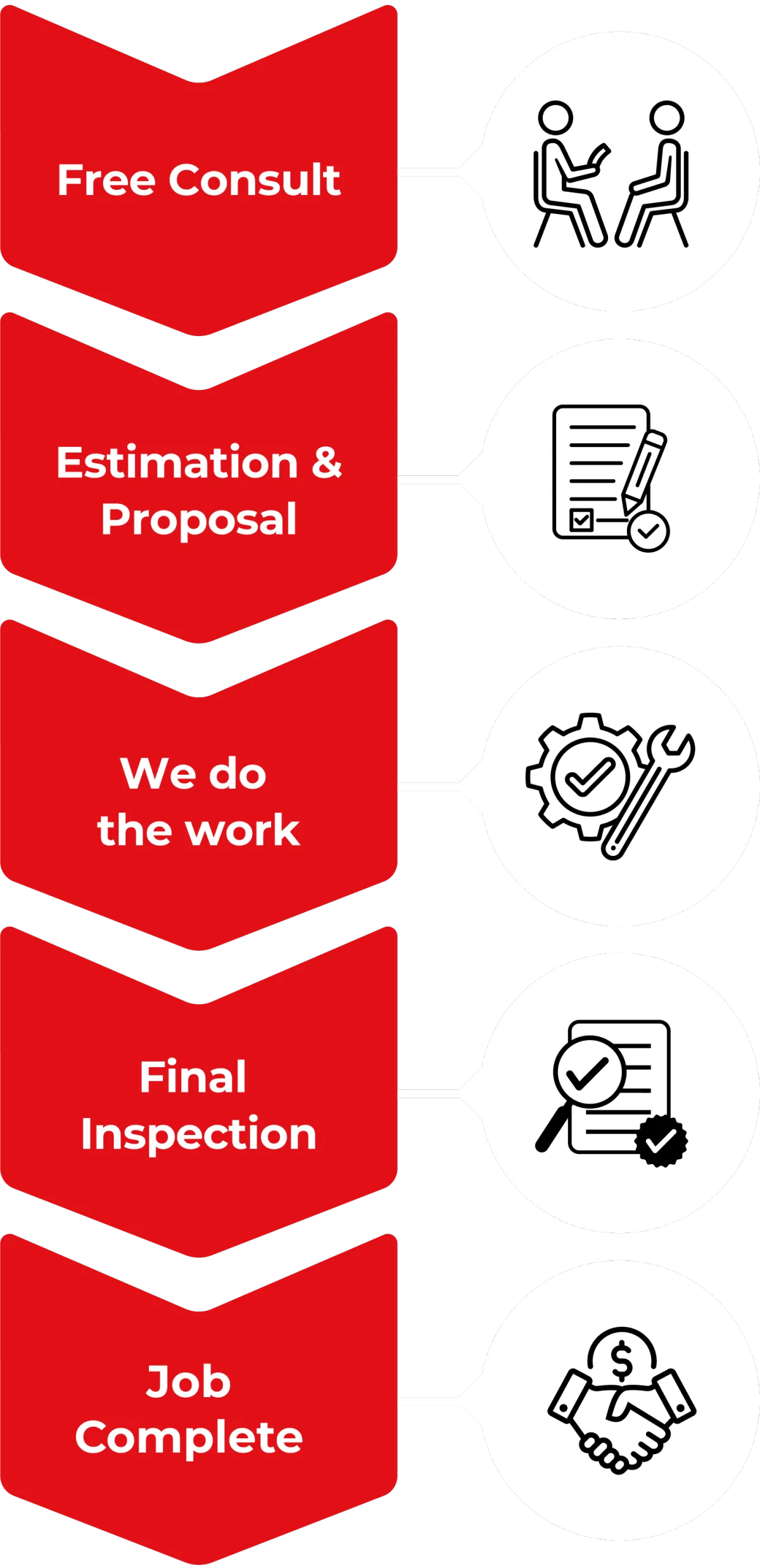
our process
Our process is simple and only contains a few simple steps

SERVICE AREAS
proudly serving Wakerley
Wakerley
Gumdale
Capalaba
Manly
Manly West
Wynnum
Wynnum West
Lota
Hemmant
Thorneside
Birkdale
Wellington Point
Cleveland

frequently asked questions
Find clear answers to the questions we’re asked most often.
How does the repair process work?
Once you contact Appliance Repair Solutions, a technician will discuss the issue with you and arrange a suitable inspection time. The problem is diagnosed on site, and clear advice is provided before any repair work begins. The goal is to complete repairs efficiently while keeping communication straightforward throughout the process.
How quickly can I book a technician?
Service availability depends on your location and the type of appliance issue. In many cases, same day or next day bookings may be available across Sydney. The team aims to respond promptly and provide flexible scheduling where possible.
Do you provide quotes before starting repairs?
Yes. After assessing the appliance and identifying the fault, you will receive clear information about the recommended repair and expected costs. This helps customers make informed decisions before approving any work.
What should I do before the technician arrives?
It helps to clear access around the appliance and make note of any error codes or unusual behaviour. If possible, have the appliance model number available as this can assist with diagnosing the issue faster. The technician will guide you through anything else needed when confirming the booking.
What should I do before the technician arrives?
It helps to clear access around the appliance and make note of any error codes or unusual behaviour. If possible, have the appliance model number available as this can assist with diagnosing the issue faster. The technician will guide you through anything else needed when confirming the booking.
proudly serving Baulkham Hills
Homebush
Gladesville
Leichhardt
North Sydney
Mosman
Box Hill
Marsden park

Trusted & Accredited Plumbers


READY TO take the next step?
get a free quote TODAY!
Bug Busters Brisbane
Fennessy Cl Wakerley
